- An ISO 9001:2015, 14001:2015 & 45001:2018 Company
 English

An all-inclusive guide to storing, transporting, and taking proper care of electrical cables and conductors.

An all-inclusive guide to storing, transporting, and taking proper care of electrical cables and conductors.
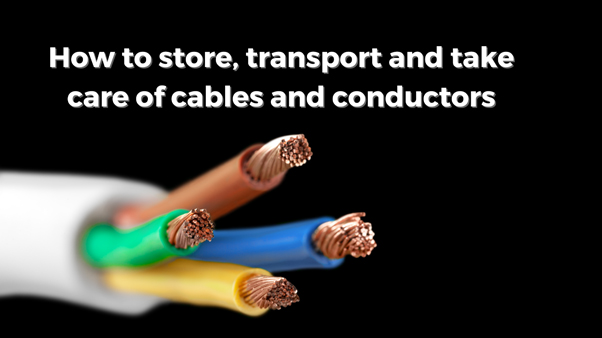 As cables and wires are very important when in use, It’s crucial to ensure that they are being taken care of in the best way possible. Here’s what you need to keep in mind while storing and transporting cables.
Proper storage and transportation of cables are essential for ensuring their optimal performance and longevity. This is especially true for railway signalling cables, aluminium cables, PVC cables, AB cables, bare conductors, and copper conductors that are used in various applications.
Store cables in a cool and dry place
Cables should be stored in a cool and dry place to prevent damage to the insulation and conductor. The ideal temperature for storing cables is between 15°C and 25°C. Exposure to heat, moisture, and sunlight can cause the insulation to degrade, resulting in reduced cable performance and lifespan. It is essential to keep cables away from direct sunlight, moisture, and any corrosive or hazardous substances.
Use proper cable reels or storage racks.
Cables should be stored on reels or racks that are designed for the specific type of cable. For example, if you are storing railway signalling cables , use reels that are designed for this type of cable. Improper storage can cause the cable to become tangled, twisted, or kinked, which can damage the insulation and conductor. Using the right storage equipment will help maintain the cable's quality and prevent damage during transportation.
Use appropriate transportation methods.
When transporting cables, it is essential to use appropriate transportation methods that ensure the cable's safety and integrity. Cables should be transported in a covered vehicle to protect them from exposure to the elements. If you are transporting bare conductors, AA conductors or any other type of conductor, make sure they are adequately secured to prevent damage during transportation.
Avoid excessive bending or twisting.
Bending or twisting the cable beyond its minimum bending radius can damage the insulation and conductor. The minimum bending radius is specified by the cable manufacturer and varies depending on the cable's size and type. PVC cables and aluminium cables are particularly susceptible to damage from excessive bending or twisting. Copper conductors, on the other hand, are more flexible and can withstand more bending and twisting.
Do not exceed the cable's weight limit
Each cable reel has a weight limit specified by the manufacturer. Exceeding the weight limit can damage the reel, causing the cable to become tangled or twisted, or even result in injury. Always check the weight limit before placing cables on a reel and make sure that it is not exceeded.
Whether you are storing cables for long-term use or transporting them to a job site, following these guidelines will help ensure optimal cable performance and longevity. By taking proper care of your cables, you can avoid costly repairs or replacements and maintain a safe and reliable system.
 C701, Tower-C, Noida One
